Golf Travel
  Leaderboards
  Become a Member
  Shop
Shop  Trade In
 quick coaching
3 Drills From Max Homa, Justin Thomas & Min Woo Lee to Lower Your Scores
By Brendon Elliott, PGA
Published on
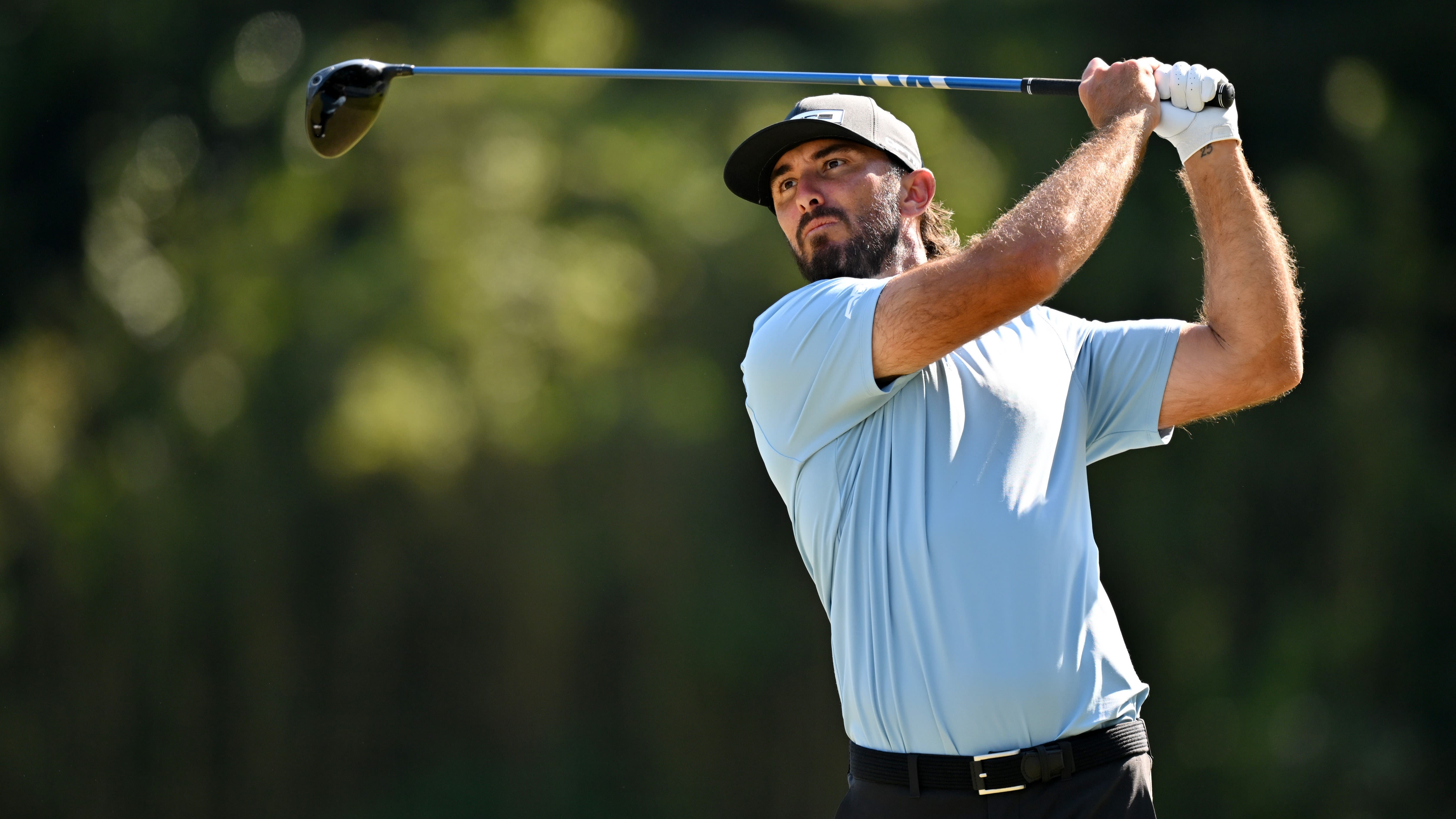
Through two rounds of the Baycurrent Classic, Max Homa, Justin Thomas, and Min Woo Lee sit firmly in contention, separated by only a single shot. However, their paths to the top of the leaderboard couldn't look more different:
- Max Homa (-9): Shot 65-68 while relying on short-game wizardry. Despite missing 10 greens, he converted 8 of 10 scrambles to lead the field in Strokes Gained: Around the Green (+4.036).
- Justin Thomas (-8): Fired a second-round 65 with elite iron consistency, hitting 30 of 36 greens (83.3%) to tie for the best rate in the field.
- Min Woo Lee (-8): Overcame struggles on approach and around the green by putting lights-out, leading the field with +8.531 Strokes Gained: Putting and 143 feet of putts made.
Their distinct scorecards prove there is no single way to score low. Here are three practical golf practice drills inspired by their stats that everyday golfers can use to lower their scores without rebuilding their swing.
1. Justin Thomas: Shrink Your Impact Window for Better Distance Control
Justin Thomas’s 83.3% Greens in Regulation (GIR) rate isn't just about sticking irons tight to the pin—it's about hitting predictable carry distances. To hit more greens, you don't need a tour swing; you need consistent impact location on the clubface.
Quick Takeaway: To hit more greens in regulation, focus on repeatable clubface impact rather than chasing swing speed. Centered impact reduces distance variance on iron shots.
The Tee Gate Iron Drill
- Set the Gate: Address a golf ball with a 7-iron. Place one tee just outside the toe of the clubhead and a second tee just outside the heel, leaving about an inch of clearance on both sides.
- Execute 10 Swings: Hit 10 balls focusing solely on making solid contact.
- Analyze Impact: If you knock over a tee, your path shifted too far inside or outside. Aim to complete 8 out of 10 swings without touching either tee.
- Increase Difficulty: As your consistency improves, move the tees closer to the clubhead to shrink your strike window further.
2. Max Homa: Master the Safer "Toe-Down" Chip Shot From the Collar
Max Homa's scramble rate (80%) kept his round together despite missed greens. When facing awkward lies in the fringe or light collar rough, amateur golfers often make the mistake of pulling out high-lofted 56- or 60-degree wedges, leading to bladed or chunked shots.
Quick Takeaway: The toe-down chip shot reduces turf interaction by lifting the heel off the ground, preventing the club from catching in sticky collar rough around the green.
How to Play the Toe-Down Chip Shot
- Club Selection: Choose a 9-iron or Pitching Wedge instead of a sand wedge.
- Setup Adjustments: Grip down on the handle, stand closer to the ball, and raise the handle vertically until the heel of the clubhead is slightly off the ground.
- Stroke Mechanics: Use a simple, putting-style pendulum stroke. Do not break your wrists or attempt to add loft.
- Practice Target: From a tight collar lie, hit 8 practice shots onto the green. Goal: Get 7 out of 8 shots cleanly onto the putting surface before worrying about proximity to the hole.
3. Min Woo Lee: Read the "Last Three Feet" of the Putt First
Min Woo Lee led the field in Strokes Gained: Putting (+8.531) and ranked second in Putts per GIR (1.45). His performance highlights the importance of green reading over mechanical adjustments.
Quick Takeaway: Green reading is most critical near the cup because a golf ball breaks the most as it loses velocity during the last three feet of travel.
The "Reverse" Green Reading Method
- Inspect the Hole First: On breaking putts from 6 to 15 feet, walk directly to the cup first. Analyze the slope surrounding the hole—specifically the last three feet where the ball slows down.
- Determine Entry Point: Identify the exact side of the rim where the ball should enter the cup (e.g., 2 o'clock or 10 o'clock).
- Trace Back to Ball: Walk back to your ball and select a starting line that delivers the ball to that entry point.
- Calibration Drill: Hit 5 putts from the same breaking spot. Point to your intended entry side before each stroke. If the ball starts on your intended line but misses, adjust your green read—not your stroke.
Which Area Should You Work On First?
You don't need to fix everything at once. Pick the weakest area of your game—iron strike consistency, awkward chipping lies, or green reading—and dedicate your next practice session to that single drill.
PGA of America Golf Professional Brendon Elliott is an award-winning coach and golf writer. Read his recent “The Starter” on R.org and his stories on Athlon Sports. To stay updated on his latest work, sign up for his newsletter and visit OneMoreRollGolf.com.