Golf Travel
  Leaderboards
  Become a Member
  Shop
Shop  Trade In
 quick coaching
Golf Tips for Heavy Rough & Fescue: 5 Keys for Better Shots
By Brendon Elliott, PGA
Published on
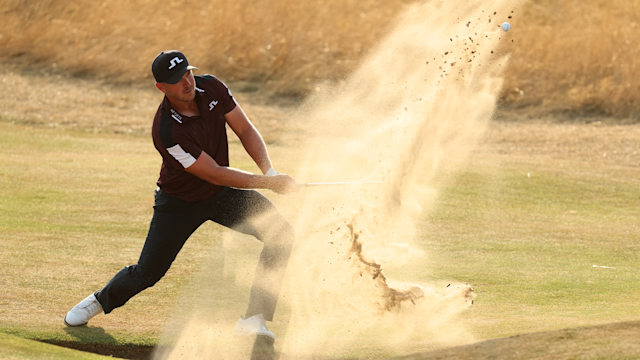
It's been the summer of links golf so far in 2026.
The U.S. Open at Shinnecock Hills, Scottish and Women's Scottish Opens, Open Championship at Royal Birkdale and Women's at Royal Lytham & St Annes all provided different canvasses for the artistry needed to conquer each venue.
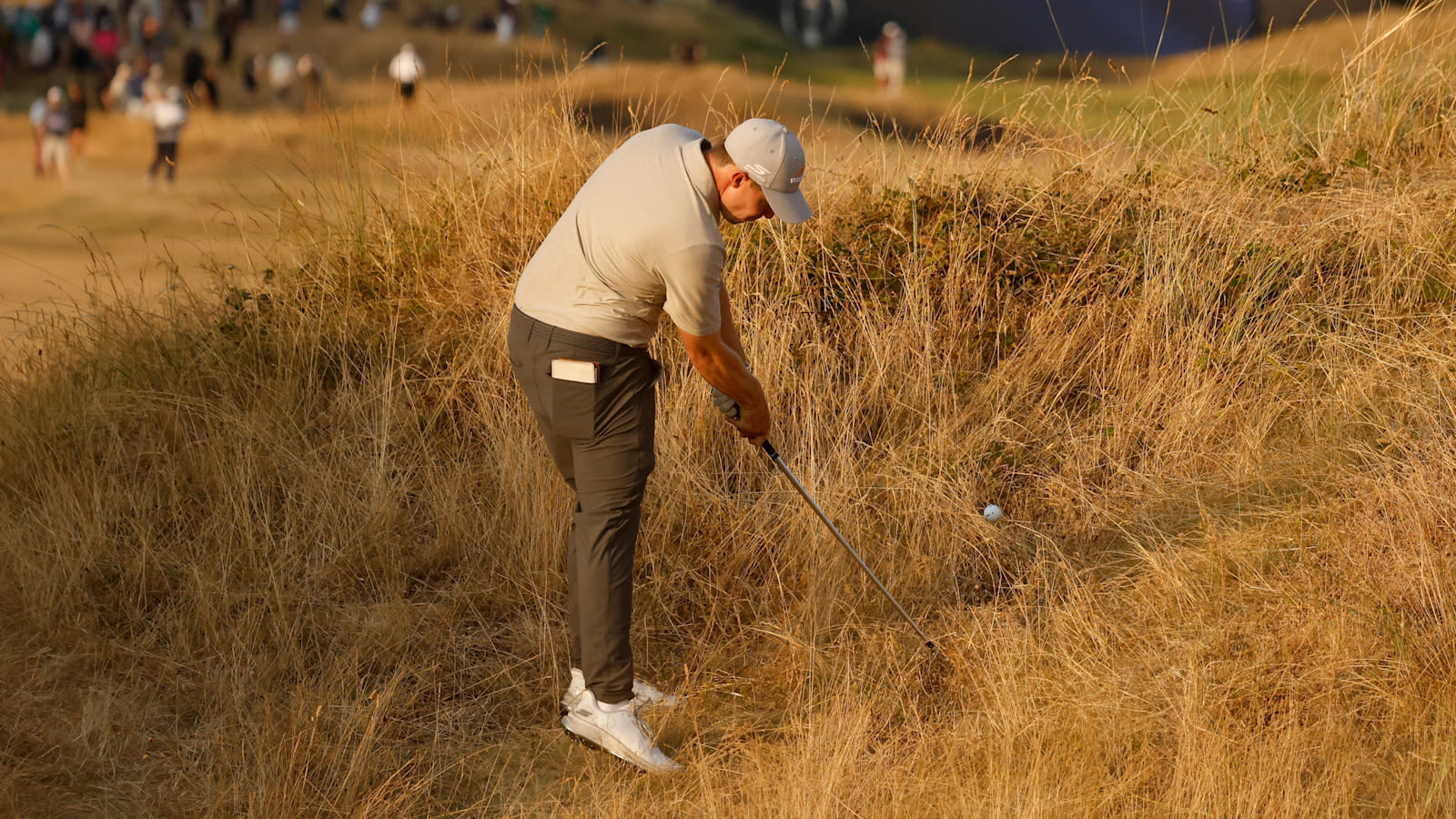
Ever present at each course though? Long grass and fescue peppering the fairways and greensides that not only penalized inaccurate shots, it forced players to decide how much of the ball and clubface they can actually reach.
For everyday golfers, the lesson is straightforward: Do not choose a club by the remaining yardage until you understand what the lie allows.
Find the Clubface’s Route to the Ball
Most golfers look down and ask whether they can see the ball. I want them to look behind it.
Can the clubface reach the back of the ball without collecting a large amount of grass first? Long, wiry blades caught between face and ball can reduce speed and spin while making launch unpredictable. Grass around the hosel can also twist the face and alter the starting direction.
Without disturbing the lie, study:
- The grass immediately behind the ball
- How deeply the ball is sitting
- The grass the club must cross after impact
A ball can be visible and still be difficult if the entry path is tangled. Another may sit lower but have a cleaner opening behind it.
Choose an Exit Before a Target
At these links courses, a player who missed the short grass had little realistic chance to attack the green. The smarter decision may be to find the widest route back to fairway turf and leave a predictable next shot.
I use the same thinking with my students. Before choosing a club, identify an exit window. It might be a 20-yard-wide section of fairway, an opening between dunes or any patch of short grass that removes the chance of another recovery.
Ask:
- How high must the ball launch to clear the grass?
- How far must it carry before reaching safety?
- Which direction gives the club the cleanest path out?
The safest exit is not always toward the hole. Moving sideways or slightly backward can save a shot because it restores control.
Match the Club to the Lie’s Access
Heavy rough often convinces golfers to grab more club because they fear losing distance. That usually creates a worse problem. Longer irons have less loft, and their longer shafts are harder to control when grass resists the clubhead.
If the back of the ball is relatively accessible, a short iron may advance it a useful distance. Grip down slightly, play the ball near the middle and make a committed, balanced swing.
If grass crowds the back of the ball, choose a lofted club that can enter more directly and launch the ball before the rough absorbs too much speed. Stand a little closer, move the ball slightly back and hold the handle securely enough that the grass cannot easily rotate it. Expect a shorter follow-through.
If the ball is buried with no clean route to it, the shot has one job: get out. A wedge and a nearby exit window are usually more valuable than a heroic advance.
Experience has taught me that golfers often lose shots in heavy rough before the swing begins. They choose a club that asks the lie to provide something it cannot.
Expect an Imperfect Result
Fescue rarely allows the club to travel through impact untouched.
The grass may slow the clubhead, twist the face or reduce solid contact. A sitting-up lie can also let the club pass under the ball, producing a high shot that travels almost nowhere. Because those reactions are difficult to predict, widen your acceptable finish area. Aim away from bunkers, out of bounds and deep run-offs.
The goal is not perfect control from an imperfect lie. It is controlling the size of the mistake.
Practice the Exit-Window Challenge
Find a practice area where hitting from rough is permitted. Create a safe landing zone about 30 yards wide.
Place three balls in different lies:
- One with a clear route to the back of the ball
- One surrounded by grass but still visible
- One sitting down with limited access
Choose the club and landing area separately for each. Award one point for escaping into the zone and another if the ball finishes on short grass.
Do not score distance. Score recovery quality.
This practice teaches the decision that matters most in heavy rough: recognizing what the lie will allow before asking the swing to produce it.
The big links golf championships this summer offered tons of spectacular recoveries, but the smartest may be the least dramatic. A player studies the grass, identifies a realistic exit and accepts the next shot.
That is not surrender. It is links golf played with proper judgment.
PGA of America Golf Professional Brendon Elliott is an award-winning coach and golf writer. Read his recent “The Starter” on R.org and his stories on Athlon Sports. To stay updated on his latest work, sign up for his newsletter and visit OneMoreRollGolf.com.