Golf Travel
  Leaderboards
  Become a Member
  Shop
Shop  Trade In
 quick coaching
5 Golf Strategy Lessons from Akshay Bhatia’s Bay Hill Comeback Victory
By Brendon Elliott, PGA
Published on
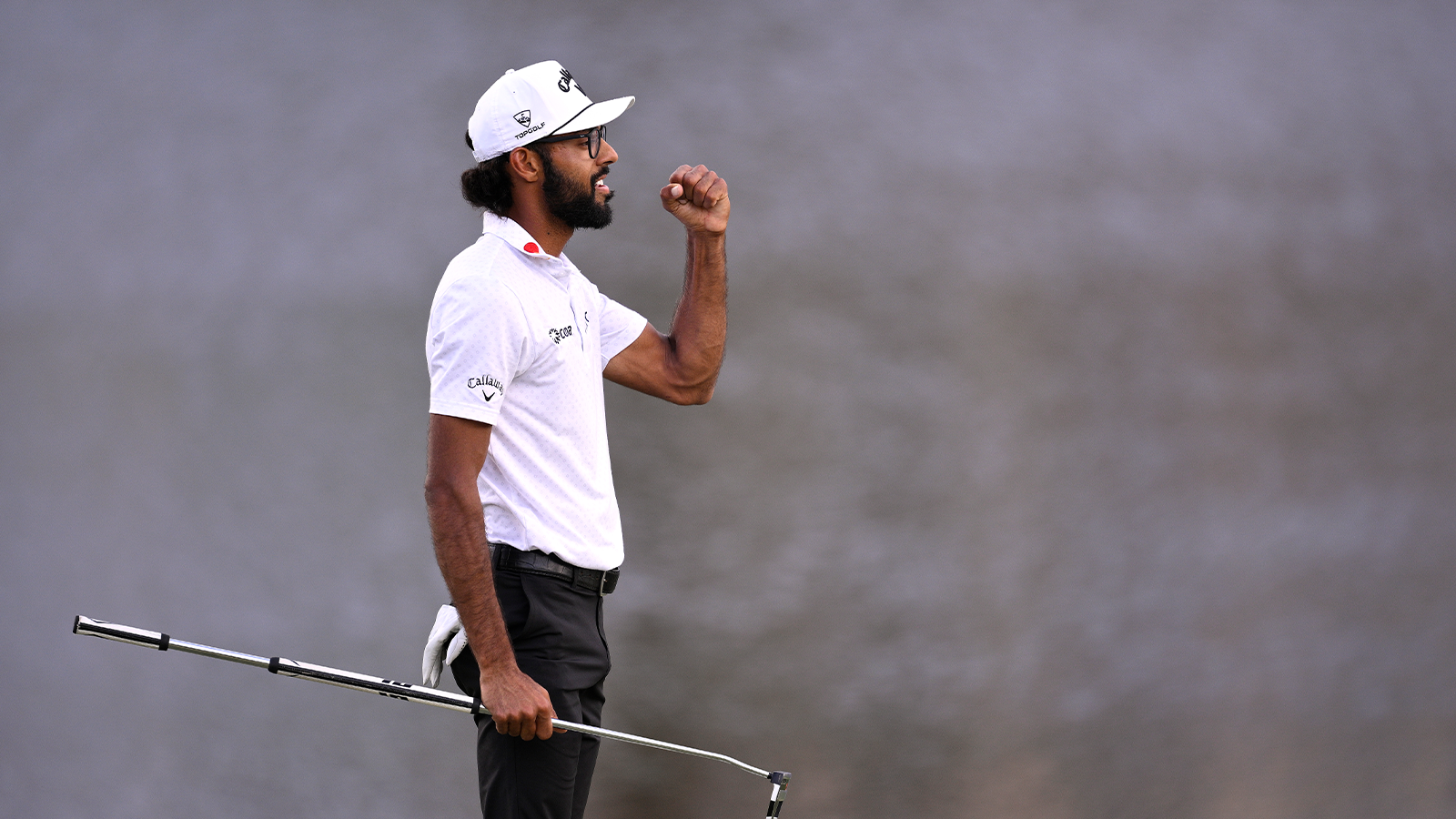
When Akshay Bhatia walked off the 18th green at Bay Hill last Sunday, hoisting the Arnold Palmer Invitational trophy after a playoff victory, he’d just authored one of the most remarkable comeback performances in recent PGA TOUR history. While Daniel Berger dominated with his ball-striking all week, it was Bhatia’s mental fortitude and refusal to quit that ultimately decided the tournament.
The numbers tell a story that even seasoned golf fans might find hard to believe. Standing on the 10th tee on Sunday, Bhatia trailed the leader by five strokes with just nine holes to play. Most players would have been thinking about their next tournament. Instead, Bhatia fired a back-nine 31, five-under par, to force a playoff that he would eventually win.
The Comeback That Defines Championship Mentality
What makes this performance even more impressive is the context. Bay Hill’s closing stretch is notoriously difficult, with water hazards and firm greens that can derail even the best rounds. These weren’t easy conditions to mount a comeback.
Yet Bhatia never stopped believing. “I just kept telling myself to stay patient and keep making birdies,” he said after the round. That mindset, that refusal to accept defeat, is what separates champions from everyone else.
When Everything Clicks at the Right Time
Bhatia’s heroics were on full display during his Sunday charge. On the back nine, trailing by five strokes, he rattled off four straight birdies from holes 10 through 13. The momentum was building, and he could feel it. Then came the shot everyone will remember: a perfectly struck 6-iron on the par-3 16th that settled three feet from the cup for eagle.
“Joe said, ‘Just hit one of the best 6-irons of your life right here,’” Bhatia recalled in his press conference. “And I did. I pushed it, you know, the professional push, as we call it, and it landed a couple feet from the hole.”
That eagle moved him into a tie for the lead, and suddenly the impossible comeback was complete. He would go on to win in a playoff, proving that in golf, you’re never out of it until the final putt drops.
Building Your Comeback Mentality
The beauty of Bhatia’s win is that the mental lessons apply to every golfer, regardless of skill level. Whether you’re five strokes down in a club championship or just trying to salvage a good score after a rough front nine, these principles can transform your game. Here are three ways to develop the mindset that fuels comebacks.
Never Calculate Yourself Out of Contention
Too many golfers give up mentally long before the round is over. They make a double bogey on the sixth hole and start thinking about what they’ll have for dinner instead of focusing on the next shot. Bhatia mentioned in his press conference that he and his caddie Joe stayed focused on the process, not the outcome. “I was really dialed in,” he said. “I think I just had more awareness of what it takes out here.”
The lesson? Stop doing the math. Don’t calculate how many birdies you need or how far back you are. Just focus on playing the best golf you can on each hole. One good hole leads to another, and suddenly you’re right back in it.
Play Aggressively When Trailing
When you’re behind, safe golf won’t get you back into contention. Bhatia could have played conservatively on Sunday, protecting his position and settling for a top-10 finish. Instead, he attacked. Four straight birdies don’t happen by accident. They happen when you commit fully to aggressive lines, trust your swing, and go after pins.
This doesn’t mean being reckless. It means being decisive. Pick your target, commit to the shot, and execute without hesitation. When you’re chasing, tentative golf is losing golf.
Ride the Momentum Wave
Bhatia’s four-birdie streak from holes 10-13 is a perfect example of momentum in golf. After that first birdie on 10, he didn’t back off. He kept the pedal down, feeding off the positive energy and confidence that comes with making putts and hitting quality shots.
When you make a birdie, use that feeling to fuel the next hole. Stay in that positive mindset. Tell yourself, “I’m playing great right now,” and carry that belief to the next tee. Momentum is real in golf, and the best players know how to harness it.
Managing Your Emotions Under Pressure
Golf is as much mental as it is physical. Bhatia’s caddie reminded him throughout the week that “you can play happy, you can play nervous, you can play upset, angry.” The key is learning to execute regardless of your emotional state.
Develop a pre-shot routine that you can rely on when nerves kick in or when you’re trying to mount a comeback. This routine should be the same whether you’re hitting your opening tee shot in a casual round or facing a crucial approach shot when you’re trying to chase down the leader. Consistency in routine breeds consistency in results, especially when the pressure is on.
The Takeaway
Akshay Bhatia’s performance at Bay Hill proves that mental toughness and a never-quit attitude can overcome almost any deficit. Five strokes down with nine to play would have been insurmountable for most players. But Bhatia refused to accept defeat.
The lesson for the rest of us? The round isn’t over until you sign your scorecard. Whether you’re playing in a tournament or just trying to break your personal best, adopt the mindset that you’re never out of it. Play aggressively when you need to make up ground, ride momentum when things start clicking, and trust your routine when the pressure builds.
As Bhatia showed us last week, when you combine talent with an unshakeable belief in yourself, anything is possible.
PGA of America Golf Professional Brendon Elliott is an award-winning coach and golf writer. Read his recent “The Starter” on R.org and his stories on Athlon Sports. To stay updated on his latest work, sign up for his newsletter and visit OneMoreRollGolf.com.