Leaderboards
  Become a Member
  Shop
Shop  Trade In
 Equipment
Higher, Softer, Better: Why "High Lofted Woods" are Dominating the PGA Championship at Aronimink
Published on
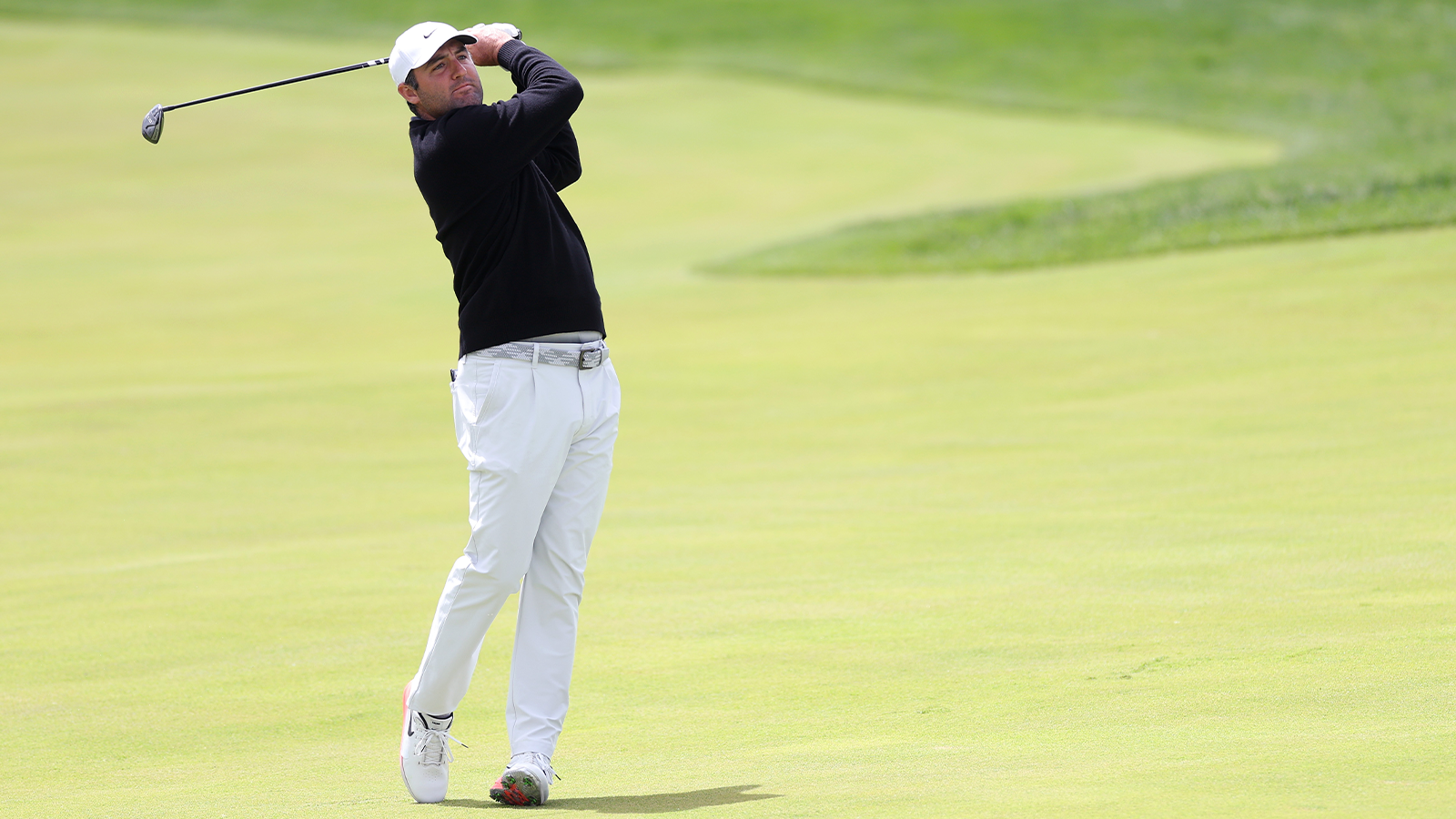
If you’ve been watching the coverage from Aronimink Golf Club this week, you might have noticed something unusual in the bags of the world’s best. Alongside the drivers and bladed irons, there’s a resurgence of clubs usually associated with "senior" sets: the 5-wood and the 7-wood.
But don't let the headcovers fool you. These aren't your grandfather’s woods. At a grueling Donald Ross layout like Aronimink, these high-lofted fairway woods are tactical weapons. Here is why the pros are leaning on them this week—and why they might be the missing link in your own bag.
Aronimink is a classic Donald Ross design characterized by long par threes (like the 242-yard 8th and the 229-yard 17th) and firm, elevated, and severely sloped greens. On a 230-yard approach shot, a traditional long iron produces a shallow descent angle that causes the ball to hit and skip off the back of these firm surfaces.
In contrast, a 7-wood launches the ball significantly higher, creating a steeper descent angle (often over 45 degrees) that allows the ball to stop more quickly, even on the most demanding greens. This "vertical stopping power" is exactly why pros are swapping out their long irons this week.
Beyond the greens, the thick, lush rough at Aronimink presents another hurdle where high lofted woods shine. The wider sole of a fairway wood is designed to glide through heavy turf without snagging or twisting, unlike the thin face of an iron that can often get caught leading to a loss of distance or a hooked shot.
You might not be playing a 7,400-yard Major championship setup, but the physics of the 7-wood apply to your Saturday morning four-ball just as much as they do to Scottie Scheffler. In fact, for the average golfer, the benefits are even more pronounced, because most amateurs do not possess the swing speed required to properly launch a 3 or 4-iron.
If you find that your longest irons often travel the same distance or fail to stay in the air, you are likely a prime candidate for a high-lofted wood. By replacing a difficult-to-hit long iron with a 5, 7, or 9-wood, you gain a more forgiving face and a center of gravity that naturally helps the ball get airborne.
The lesson from the pros this week is simple: check your ego at the clubhouse door and prioritize clubs that make the game easier. If the elite players in the PGA Championship are using these woods to survive a Major, there is every reason for you to put them in your bag to improve your own scoring.
Stop by your local PGA Professional's shop to test a high-lofted wood and see how much more consistent your long game can become. Your scorecard will thank you.