ask & answer

Parent’s Guide: Understanding the Process of Working with a PGA Coach

By Brendon Elliott, PGA
Published on
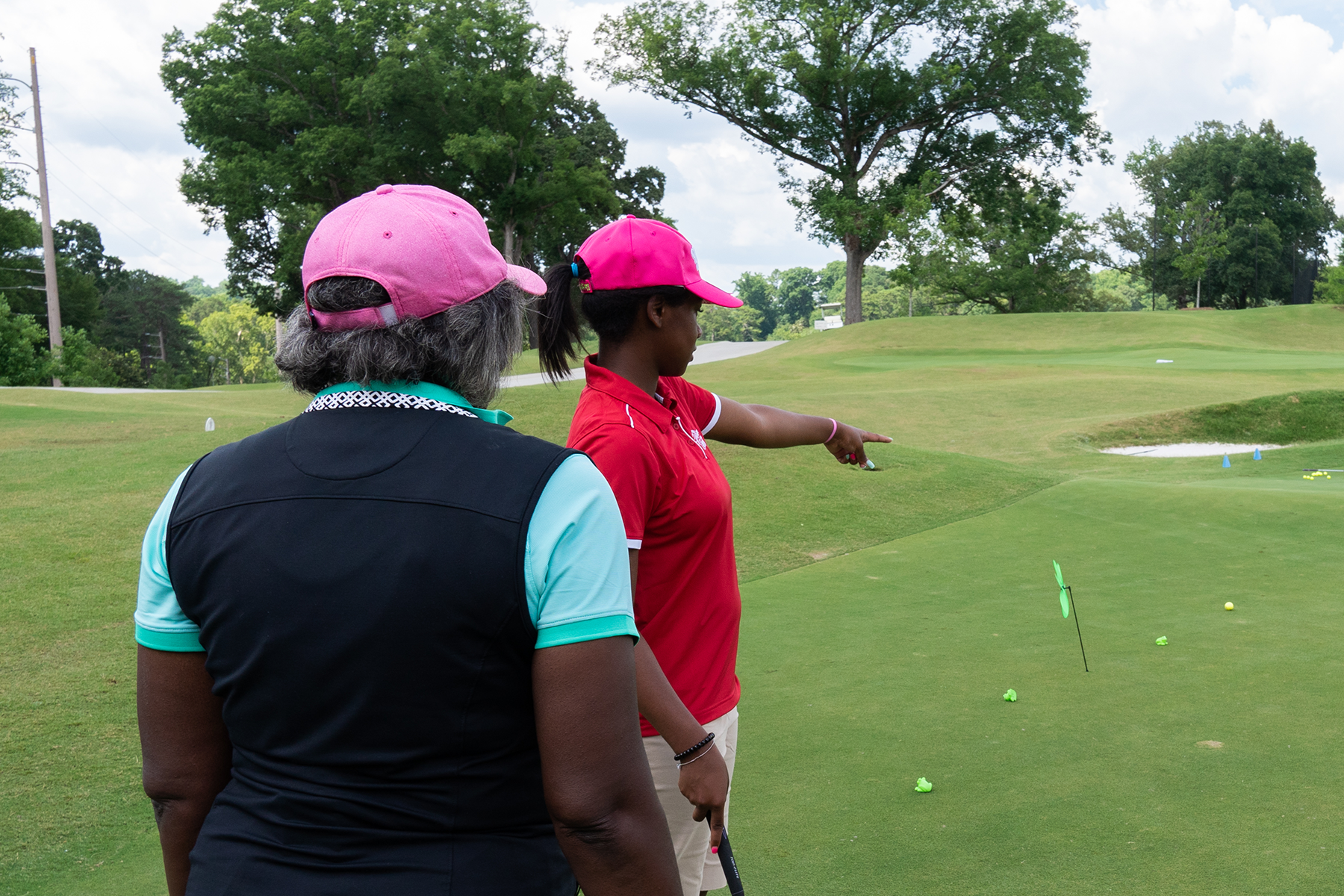
Finding the right PGA Coach is critical for the development of your young golfer. 
In the early stages of Active Start and FUNdamentals levels of ADM especially, you should look for more group programming. This programming should focus on Fun at the core but also, age-appropriate physical development.
You may find that in programming like this, a golf club or golf ball may not even be seen for a while…perhaps running, jumping or kicking would be activities you see. Do not worry, this is by design and in fact, if coaches running the program are doing things like this, you are likely in good hands. 
These coaches understand the proper process. Golf fundamentals are introduced in due time, when it makes sense based on ADM research.
The Five Key Principles of the American Development Model
  1. Universal access to create opportunity for all
  2. Developmentally appropriate activities that emphasize motor and foundational skills. Golfer dropout rate will be reduced when appropriate activity is introduced.
  3. Multi-sport and multi-activity participation
  4. Fun, engaging and progressively challenging atmosphere
  5. Quality coaching at all levels
With the framework of the above in mind, I wanted to focus on the fifth principal of ADM, Quality coaching at all levels.
“Quality coaches are critical to athlete development; therefore quality coaching education is imperative for athlete success at all levels. Quality coaching not only requires a youth coach to be qualified and highly knowledgeable about their sport, but also to understand effective communication, practice planning and athlete development. The very best coaches view themselves as lifelong learners and are always working toward improving themselves.” — Per Golf’s American Development Model playbook
The large majority of my private coaching students are 12 and older and fall in the Play to Improve level. Beyond that, I rely heavily on a process that I go through with my students. I have a very important initial screening process where I not only test skills to use as a baseline, but I also screen other areas including mental and emotional aspects as well as having real conversations on what the end goals of the students are. Both short and long term.
While I never want to create anything that remotely looks like pressure to them, I do try to keep them accountable for their own success. Not only will that help them long term, but it also helps them learn to be responsible for the outcomes they have as they work with me through the process of becoming better with their game.
At times, it may not look like your stereotypical picture of a coach with a student, beating golf balls until golf blisters form on the student’s hands and pushing the concept of winning all the time. I am in fact, as is the American Development Model, looking to move past that and look at a holistic approach to the student’s long-term development and success…as both a golfer and person.
Brendon R. Elliott, PGA

Sorrento, FL

Brendon Elliott

Director of Instruction, Freelance Golf Writer

[Brendon Elliott, PGA](https://brendonelliott.com/), is an award-winning PGA Professional, player-development coach and nationally recognized golf writer with three decades of experience in the golf industry. As of 2026, he has been a PGA Professional for 17 years and has earned more than 25 PGA Section and Chapter honors for his work in coaching, education and player development. In 2017, he received the PGA of America National Youth Player Development Award. ## Coaching Competitive Teenage Golfers Through [BE A GOLFER](https://beagolfer.golf/home), Brendon specializes in working with competitive teenage golfers who want to improve their performance, better understand their games and prepare for the demands of high school, junior tournament and college golf. His primary focus is [Remote Coaching](https://beagolfer.golf/remote-coaching), which allows him to remain actively involved in a player’s development regardless of location. Rather than relying on occasional lessons or isolated swing fixes, Brendon works with players throughout their competitive journey. His coaching covers much more than the golf swing. Players receive ongoing guidance in structured practice, short-game development, putting, course management, tournament preparation, performance analysis, goal setting and the mental and physical habits required to improve over time. Using video analysis, virtual coaching sessions, performance data and regular communication, Brendon helps each player understand what to work on, why it matters and how to make meaningful progress between practices and tournaments. Brendon accepts only a limited number of in-person students in Central Florida. His priority is building long-term [Remote Coaching](https://beagolfer.golf/remote-coaching) relationships with competitive teenage golfers and their families. The goal is not simply to help a young player hit better shots. It is to help that player become more prepared, more accountable and more capable of navigating everything competitive golf demands. Brendon’s career has included serving as a head golf professional, general manager, college golf educator, career development director, academy owner and longtime junior golf leader. He founded Little Linksters Golf Academy in 2008 and led the organization for more than 16 years before selling the academy in late 2024 and launching [BE A GOLFER](https://beagolfer.golf/home). ## Golf Writing and Media Brendon is also a nationally recognized and prolific golf writer and storyteller. He is the Senior Golf Writer for [Athlon Sports](https://athlonsports.com/author/brendon-elliott) and has written extensively about professional golf, instruction, player development, equipment, golf history and the people shaping the game. His work has also appeared with PGA.com, GolfWRX, PGA Magazine, MyGolfSpy and several other prominent golf media outlets. Through [One More Roll Golf Media](https://onemorerollgolf.com/), Brendon provides editorial content, feature writing, consulting and media services throughout the golf industry. His background as a coach and educator shapes the way he writes, while his work as a writer strengthens the way he coaches. He understands how to explain complicated ideas clearly, ask better questions and connect the technical, strategic and personal sides of golf.